
Winter can quietly impact pelvic floor health by reducing muscle coordination, circulation, and fascial hydration, increasing the risk of pelvic floor dysfunction and urinary incontinence. Understanding how cold weather affects the pelvic floor, and how fascia, hydration, and targeted exercises support it, can help you protect pelvic health throughout the colder months.
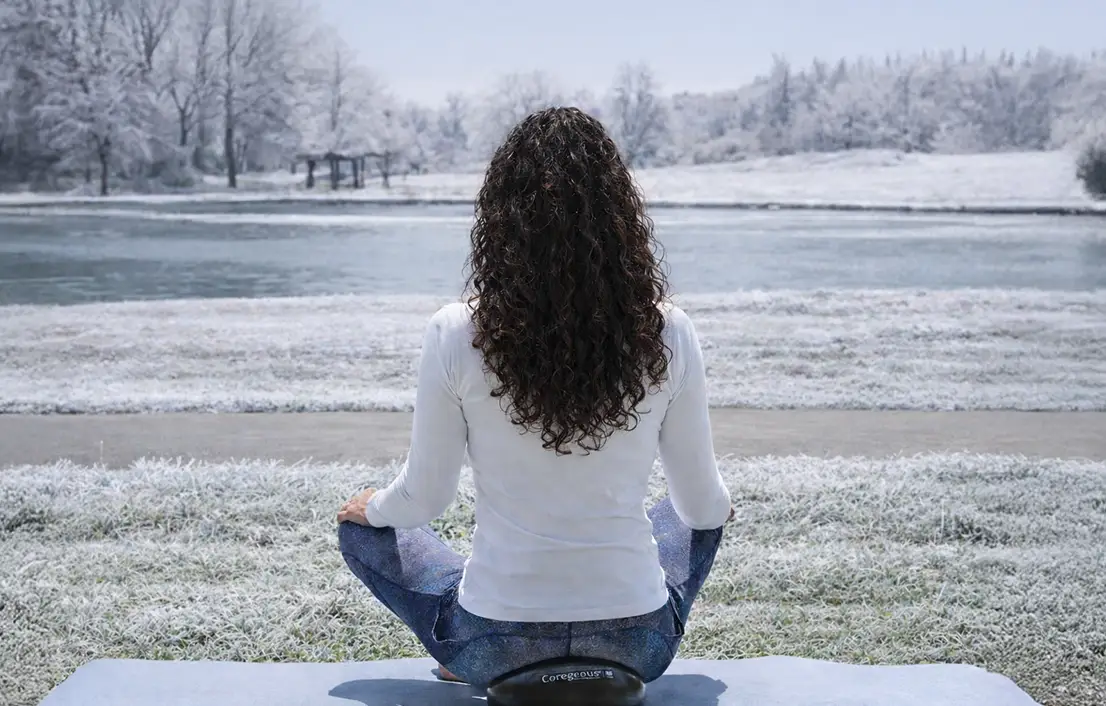
I recently caught myself gazing out the window, mesmerized by the ice crystals and snow wrapped around each branch and twig outside my window. There is a type of frost known as hoar frost, a grayish-white crystalline water vapor which is frozen in air and deposited on surfaces like leaves, tree branches, and grass. It reminded me of fascia, how the continuous layer of connective tissue wraps around every structure in the body, including muscles, organs, and even bones and nerves.
The Fascia & Hyaluronan Connection
Fascia is a soft, loose, white substance made of multiple layers. Between each layer is a liquid known as hyaluronan. The hyaluronan helps your fascia stretch as you move, like oil sliding over gears, lubricating the layers to reduce friction in the body. But hyaluronan can dry up due to inflammation or physical trauma in the body. When the liquid between layers of fascia is diminished, fascia tightens and restricts the movement of your muscles and tissues, causing pain or even damaging fascia.
Damaged or unhealthy fascia can lead to tenderness, stiffness, reduced range of motion, or swelling. Unhealthy fascia can become constricted, sticky, and inflamed, and cause discomfort in the affected area. Overuse or repetitive motions can also result in the sensation of knots within the muscle tissue.
How Fascia and Hyaluronan Affect Pelvic Floor Health
In the fitness world, we often think of fascia surrounding muscle tissue. But like frost, it encompasses every structure in the body, including the pelvic floor. As winter brings a chill to the air, it may also even worsen pelvic floor problems. Have you noticed the increased need to pee more often when it’s cold outside? Similar to other skeletal muscles, cold pelvic floor muscles (PFM) have a reduced response to the nervous system and may become less coordinated. Low temperatures reduce blood flow by causing blood vessels and arteries to narrow and reduce muscular strength and speed. As a result, your pelvic floor muscles (PMF) will be less effective at keeping you continent and securing your pelvic organs in place. Existing pelvic muscle weakness may intensify or new weaknesses may be experienced.
The link between Pelvic Floor Health and Urinary Incontinence
Women with urinary incontinence may display a very weak PFM contraction and also lack proprioception and awareness of these muscles. How can you maintain your pelvic muscle strength, when even something as basic as coughing, sneezing and blowing your nose, especially common in colder months, can create significant pressure and fatigue your pelvic floor muscles? Improving proprioception of PFM and adequately contracting them could be a proactive approach to preventing pelvic floor dysfunction. Results from a study that included proprioception and awareness training (PAT) for the treatment of urinary incontinence found that women who received PAT had a significant improvement in PFM function, activation, and quality of life. Participants also exhibited improvements with urinary loss when coughing, sneezing, squatting and weightlifting compared to the control group. In fact, PAT was also recommended prior PFM training.
Pelvic Floor Exercises and Myofascial Release for Winter Wellness
How can I Reduce Pelvic Floor Dysfunction During Colder Months?
Understanding how colder winter months can affect your body allows you to take practical steps to improve your pelvic health. Connecting cold weather or your cold or flu symptoms with your pelvic floor health will help prevent discomfort or problems. Here are some techniques to incorporate to support pelvic health:
-
Practice Proper Coughing Techniques
Coughing techniques include proper bracing. By engaging your core and pelvic floor muscles before coughing, sneezing, or blowing your nose, it can help distribute pressure away from your pelvic floor. Watch as Jill Miller demonstrates activating the tubular core, a technique to support the body, in the video below.
Coughing into a soft surface such as a pillow can also help reduce the intensity of your cough and minimizes strain on your pelvic muscles.
-
Rest and Restore
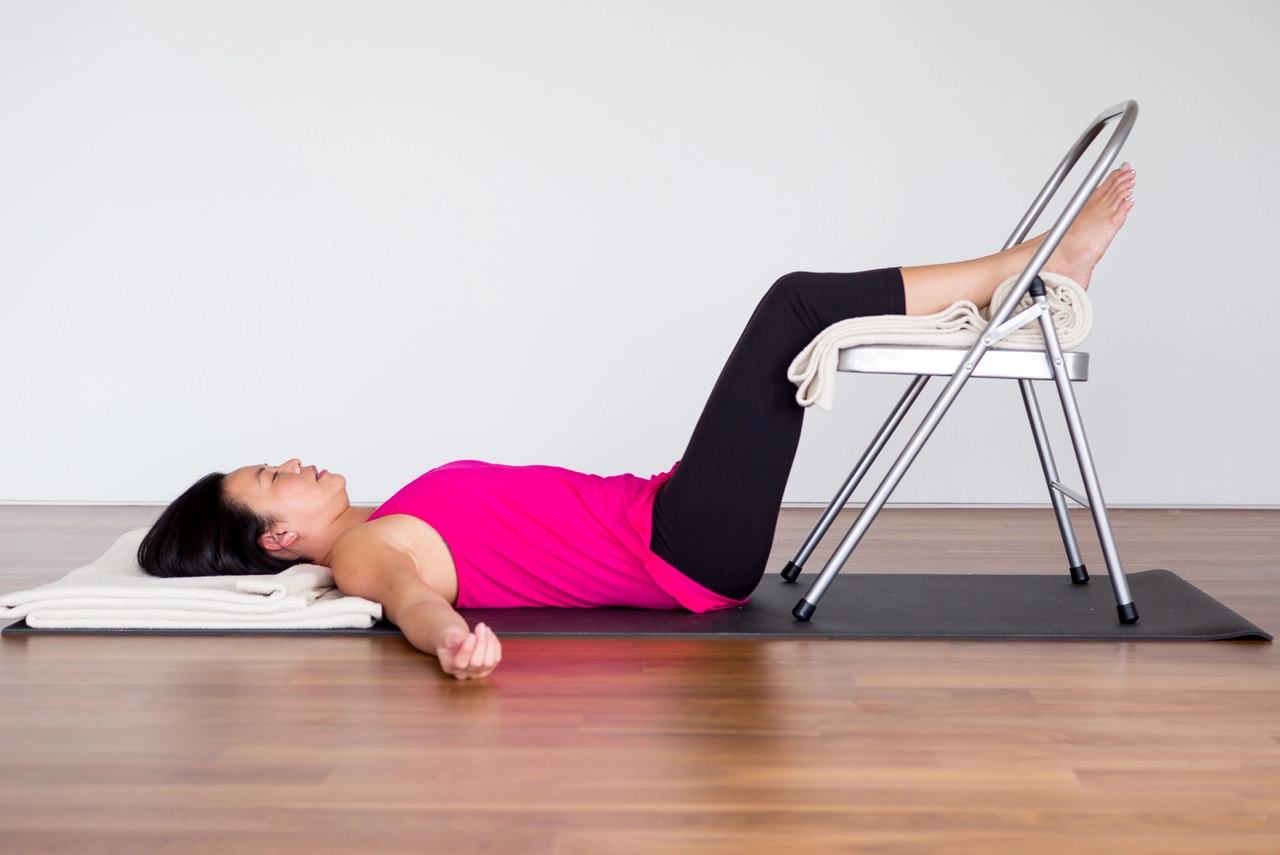
If you’re sick, let the body rest. Rest is especially important for your pelvic floor to prevent additional strain. Restorative poses like constructive rest, ardha savasana, help relieve pressure and tension from the pelvic floor. Lying on your back, bend your knees and place your feet on the floor hips distance or wider and allow the knees to move towards each other. You can also elevate your legs on a chair or bed.
-
Get Warm and Cozy
Keeping your body warm promotes physical comfort and supports optimal pelvic muscle function. Warmth can soothe and relax tension in the pelvic floor.
-
Hydrate
Staying hydrated helps the body’s organs and muscles work properly. Loading up on fluids will help to reduce headaches, relieve flu symptoms, and strengthen the body’s immune response system.
-
Pelvic Floor Exercises and Myofascial Release
Performing pelvic floor exercises can strengthen PFM and alleviates the pressure from coughing or sneezing. To relax the entire pelvic floor, start with a Coregeous Ball and massage your abdomen and psoas.
Follow with the Alpha or Plus Ball and roll out the gluteals. Come to seated on a Coregeous Ball (on a chair or the floor) and circle the pelvic floor area, locating the ischial tuberosities, coccyx, and pubic symphysis. Activate your pelvic floor by contracting and relaxing the pelvic floor muscles by attempting to squeeze and release the ball.
With a smaller, broken-in Yoga Tune Up ball, you can also circle the tissues around the ischial tuberosities and high inner thigh.
By adopting mindful habits, getting adequate rest, staying warm and hydrated, and incorporating pelvic-friendly exercises, you can glide through the winter season and maintain a happy and healthy pelvic floor.
Find more content related to Pelvic Floor Health:


This is fabulous information, Katrina. Thanks for including the videos; I always enjoy seeing how Jill teaches and performs the exercises, to give me more context. I really appreciate the lesser trochanter massage—I don’t think I’ve ever seen or heard anyone address this area before, so I’m going to try it now.
These will be great to include in a sequence for my pelvic floor clients.
Echoing the thanks of previous commenters. Indeed I have noticed more frequent urges to urinate in colder weather, and didn’t make the connection of sluggish circulation & muscle function due to lower temperatures that seems obvious, especially after reading this. And as Matthew pointed out, while this issue affects women more profoundly, it is a universal one – cold weather, aging, sitting lifestyle…all these & more affect our pelvic and genitourinary health. Grateful to you.
Really appreciate the awareness brought to the impact of cold on the pelvic floor. I do think balance is the key. We need increased awareness/proprioception of the layers of the pelvic floor to support movement, whether issues of hypertonicity or hypotonicity.
Thank you I was not aware that winter cold had a negative impact on the Pelvic floor muscles. Recently I have become more aware of Pelvic floor exercises in a mobility class that i attend. With further research I have also learned it is not just an issue for women, though it is more common for women. Thank you for the different exercises with the coregeous ball to help strengthen my pelvic floor muscles as these are not used within the classes I have taken.
Thank you for sharing this. Pelvic floor health has received some desperately needed attention in the last few years. I’m happy to see awareness brought to how we need to pay attention to our pelvic floor health differently in cold weather. Thank you for this insightful article.
Thanks for explaining why and how temperature can impact the body, especially the PFM!
Thank you for this article, Katrina! I’m curious to see if I feel/notice a difference in my PFM this coming winter. I’ve noticed a lack of support from my transverse abdominals and an increase in my lumbar spine – I have a feeling if I develop more proprioceptive awareness to my PFM then I’ll have more pelvic stability 💡 adding pelvic floor SMFR to my weekly self-care practice!
I loved trying the coregeous ball sitting on a seat! it felt so good after sitting for long periods of time to move my pelvis around the ball!
Great resources! The adductor video was especially helpful. Thank you, Katrina!